
Technical documents
Technical Documentation
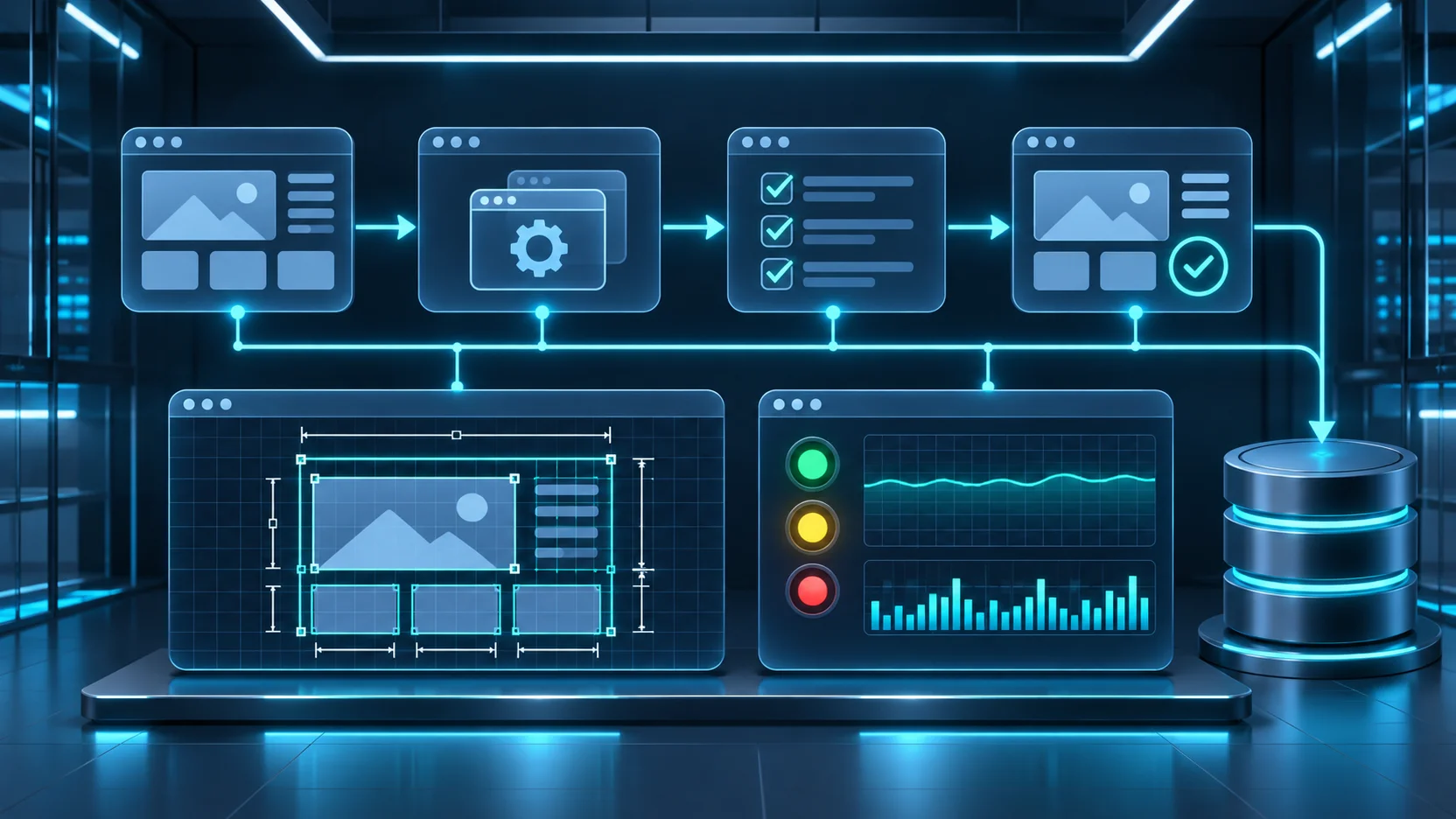
Architecture for Automating Human-Performed Operational Verification: Integrated Design of Functional Completeness, Zero-Tolerance, and Geometric Layout Auditing
This article explains an automation architecture that mechanically replaces human-performed acceptance verification by opening a browser. It systematizes three major verification axes: CRUD round-trip tests that verify DB persistence by forcing an F5 reload immediately after each operation, zero-tolerance monitoring that instantly blocks console errors and communication failures, and geometric layout auditing that mathematically determines horizontal scrolling and single-character vertical collapse.

Why Replacing a Test Runner with a Rust-based One Halves Execution Time — Deconstructing CI Acceleration from Process Startup Overhead, Fine-Grained Parallelization, and Memory Locality
It is frequently observed that execution time is reduced by 50% to 80% simply by replacing the test runner with a Rust-based foundation, without modifying the test code itself. This article will engineer an analysis, complete with Mermaid diagrams, of why such a significant performance difference arises from a mere runner change, examining runtime startup overhead, process-level and thread-level parallel scheduling, the impact of memory allocation and garbage collection, and the boundaries of I/O wait and external resource-dependent bottlenecks that should not be over-relied upon.
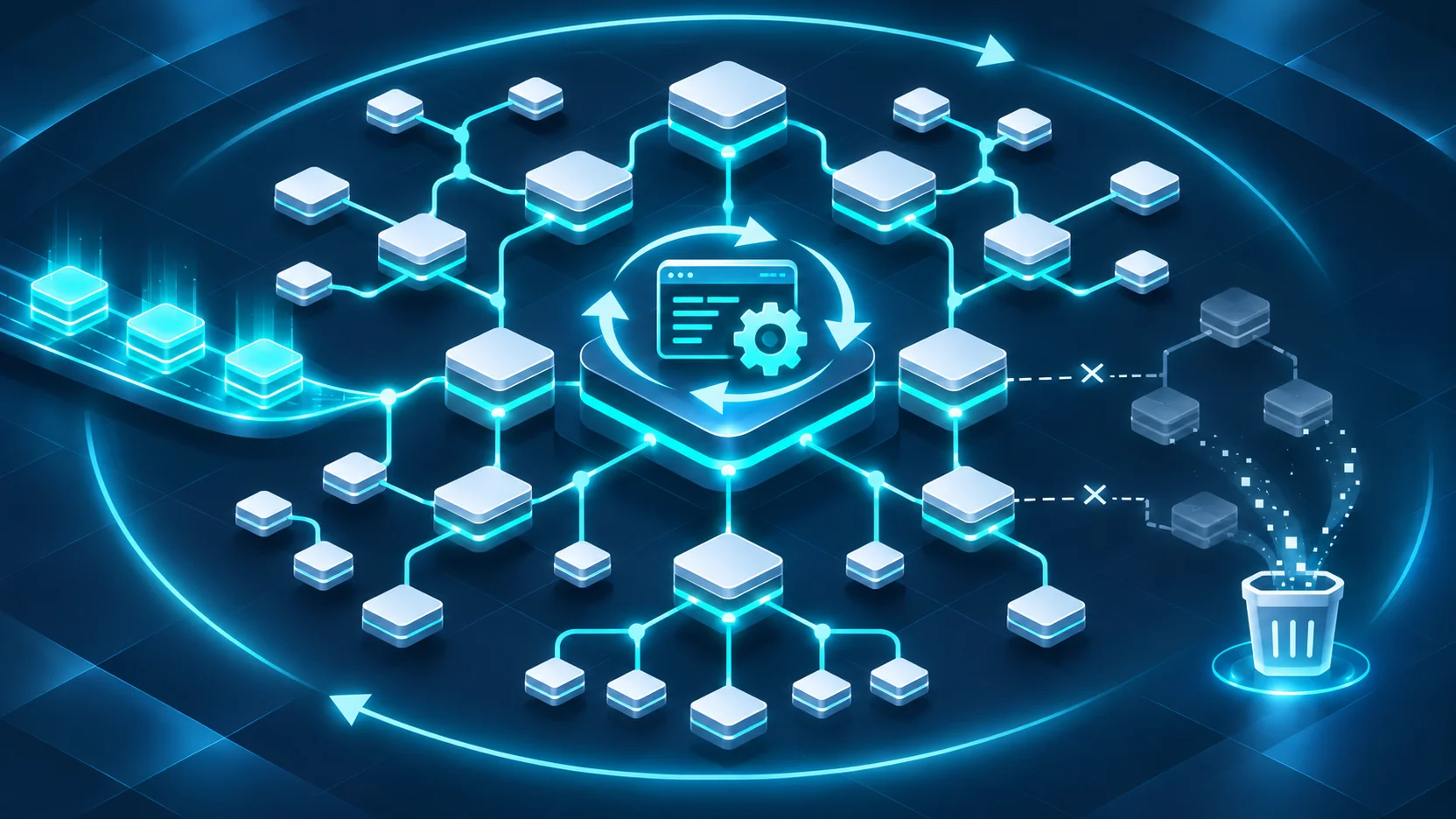
Continuous Codebase Hygiene Management with Dependabot and Knip: CI/CD Integration of Dependency Patch Automation and Dead Code Pruning
Neglecting library vulnerabilities and accumulating dead code irreversibly worsen maintenance costs and build times. This article explains an automation architecture and practical settings that integrate weekly grouped patch application by GitHub Dependabot and static analysis of unused files, exports, and dependencies by Knip into CI/CD, maintaining codebase health with minimal human effort.

Deterministic tool design independent of AI inference. CLI handles and safety boundary architecture to prevent LLM agent wandering.
We explain an architecture that extracts known processes into deterministic CLI tools to prevent LLM agent inference wandering and dialogue loops. We will organize the design specifications for handles commonly used by humans and AI, the safe omission of arbitrary verification through mechanical evidence matching, and Fail-Closed safety boundaries.

Customer Account or Our Own Account — A Design Contract to Define "Infrastructure Ownership Boundaries" Before Letting AI Write Code
"Will it be built in the customer's account, or our own account?" The hell of IAM redesign, external SaaS contract separation, and data migration that arises from letting AI implement without this confirmation. We detail the design contract and verification methods to define infrastructure ownership boundaries (compute, data, SaaS, operations) before implementation.

Coexisting Cloudflare Workers SendEmail with Xserver-managed Domains: Secure System Email Sending Design via MX Protection, SPF Merging, and DKIM Selector Separation
An architectural explanation for securely sending system emails from Cloudflare Workers' SendEmail binding while maintaining an existing business email environment managed by Xserver. This details the Email Routing MX overwrite trap, SPF record merging syntax, DKIM selector separation, Wrangler configuration, and DMARC alignment verification procedures.

Bot Countermeasures at the Edge—Specification Boundaries of Cloudflare Bot Fight Mode and the Evolution of PHP Infrastructure
Prompted by a recent surge in bot scans, we explain the technical mechanisms of Cloudflare Bot Fight Mode, the specification boundaries between its free and paid versions, and WAF design to prevent API false positives. We also organize the evolution towards immutable and serverless infrastructure, with respect to PHP's contributions to the web.

Agent Harness Design with a High-Speed Lightweight Model as the Control Tower
Architecture of a multi-agent platform that balances speed, inference volume, and quality through goal contracts, expert delegation, and validation gates. We explain the design specifications for coordination by high-speed lightweight models, state machines, concurrent termination guarantees, maximum billing amount reservations, and strict quality gates.

Go-Unified Design for Operational Tools in AI Agent Development Environments: A Technical Decision to Prevent Python Proliferation and Stabilize Autonomous Infrastructure with a Single Binary
In development environments for autonomous AI agents, the uncontrolled automatic generation of scripts often leads to frequent dependency environment corruption and runtime crashes. This article explains the design decisions and cooperative configurations that enable both self-healing loops and long-term autonomous operation by unifying operational CLI tools into a single static Go language binary, incorporating strict typing, and establishing post-deployment validation gates.